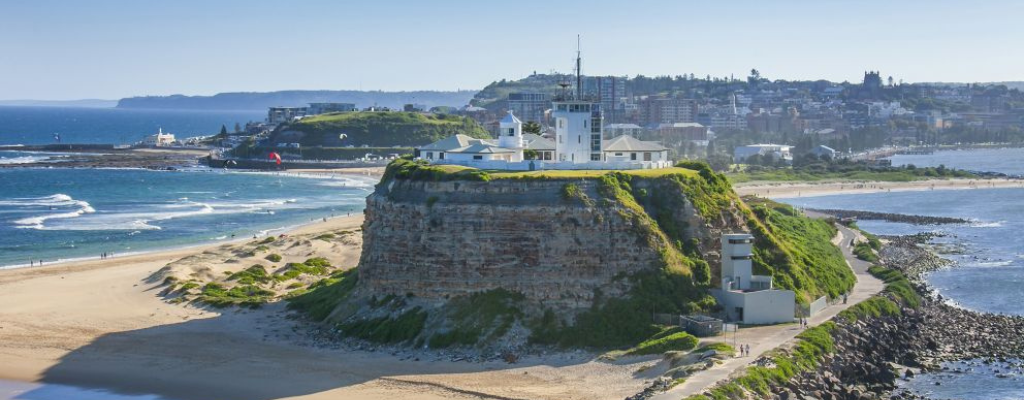
A lighthouse and lighthouse keeper cottages on top of headland surrounded by water. Newcastle city can be seen in the distance.

Documentation Consent Form — Residency Experience

About Us

Hunter Writers’ Centre is a not-for-profit organisation that serves the writers and storytellers in the Hunter region. We offer workshops, residencies, fellowships, events, community projects, and nationally significant literary competitions such as the Newcastle Poetry Prize, Newcastle Short Story Award, and the Grieve Project.

Hunter Writers’ Centre documents aspects of its programs, including residencies, to:
— build an internal archive of artists, their work, and their experiences
— create selected material for communication and promotion

How We Use Your Information

To promote our programs and celebrate the work of our community, we may collect the following information directly from you, or someone authorised on your behalf.

  • Name and contact details
  • Location (city, state, country)
  • Photographs, images, or video/audio recordings
  • Opinions or quotes about your experience of our programs and services

These materials are used for:

1. Archive (Internal Use) 

We may collect and retain:

  • Audio recordings of interviews 
    Documentation of your art practice and residency experience. 

This material is stored for organisational, cultural, and historical purposes and is not made publicly available in full. 

2. Public Communication and Promotion

With your consent, we may use selected material, including photographs, short video recordings, quotes or excerpts from an interview.

These may be published in:

  • Print and digital publications
  • Websites and social media
  • Marketing and promotional materials

Use and Disclosure

You can choose to participate in the archive without agreeing to public use. If you consent to public use, Hunter Writers’ Centre may publish selected material as outlined above.

Once material is published, we may not be able to control how it is used by others, especially outside Australia. Withdrawal of consent will apply to future use. We may not be able to remove material already published.

Guidelines on Ethical Photography

By following these guidelines, Hunter Writers’ Centre ensures that all photographs and recordings are conducted ethically, respecting the rights and dignity of individuals.

Respect and Safety 

  • Respect Local Customs: Follow local traditions or rules when taking pictures or recordings of people, places, or things. 
  • Know the Laws: Understand the country’s laws about photography, filming, and privacy. 
  • Get Permission: Always ask for verbal or written consent before taking someone’s photo or video. 
  • Honour Refusals: If someone doesn’t want to be photographed or recorded, respect their choice. If they seem unsure, don’t proceed. 
  • Prevent Harm: Ensure that sharing someone’s identity or story won’t cause them harm, like violence or rejection in their community. 
  • Be Truthful: Don’t misrepresent the person, situation, or location in photos or videos. 
  • No Payments for Consent: Don’t offer money or gifts in exchange for taking someone’s photo or getting their consent. 

Sensitive Topics 

  • Protect Identities: For culturally or politically sensitive subjects, avoid showing identifiable features. Position the camera to hide faces and unique traits. 
  • Use of Names and Places: Only use real names and locations if it’s safe. If revealing this information could cause harm, leave it out. 
  • Avoid False Impressions: Don’t use identifiable images to suggest someone is linked to a sensitive issue unless they are. 

Vulnerable Individuals 

  • Show Respect: Treat everyone with dignity, especially vulnerable individuals. 
  • Protect Survivors: Don’t identify survivors of abuse or violence without their explicit consent. 
  • Health Privacy: Don’t reveal someone’s health status, like HIV or other serious conditions, without their written consent. 
  • Avoid Stigmatisation: Don’t identify individuals involved in socially marginalised activities without consent. 
  • Be Sensitive in Crises: When photographing people in distress, be compassionate and don’t exploit their situation.

Children 

  • Obtain Consent: Before photographing or filming a child, get permission from both the child and their parent or guardian. Explain how the image or video will be used. 
  • Group Settings: In places like schools, confirm that parental consent has been obtained from a responsible authority, like a principal or senior teacher. 
  • Follow Local Laws: Be aware of and comply with local laws and customs regarding photographing children.
  • Respectful Representation: Ensure images of children are respectful and not exploitative. They should be appropriately dressed and not posed in suggestive ways. 
  • Honest Images: Photos should truthfully represent the situation and context. 
  • Protect Identity: When sharing images electronically, don’t include identifying information about a child in file names or descriptions. 

Video, Audio, Photography, and Story Consent Form

By submitting the following consent form, I give permission for Hunter Writers’ Centre to record my participation (audio, video, photographs, and/or quotes). Consent on how this material may be used is indicated below.

Name(Required)
Address(Required)

ARCHIVE

Required for participation in documentation.
I consent to my material being recorded and stored as part of Hunter Writers’ Centre internal archive.(Required)

PUBLIC USE

Optional with separate choices.
I consent to:(Required)
I do / do not concent for my name to be used alongside this material(Required)

ACKNOWLEDGEMENT

I understand that Hunter Writers’ Centre will only use material in the ways I have consented to above. I understand that once material is published, Hunter Writers’ Centre may not be able to control how it is used or shared by others, including outside Australia. I understand I will not receive payment for the use of this material I confirm I have read and understand the privacy notice provided by Hunter Writers’ Centre.